





Age spots are among the most common pigmentation concerns encountered in dermatology practice. Medically known as solar lentigo, they are one of the visible traces of cumulative ultraviolet (UV) damage on the skin over time. Commonly referred to as “sun spots” or “age spots,” these lesions are often a reason for consultation due to aesthetic concerns; however, not every pigmented lesion should be considered the same without proper evaluation.
Especially in large metropolitan areas such as Istanbul, intense UV exposure, outdoor lifestyle habits, and increased sun contact during the summer months may lead to the appearance of these lesions at earlier ages. Therefore, solar lentigo is not merely a sign of aging but an indicator of chronic sun damage.
In this article, we will examine in detail the formation mechanism of solar lentigo, the clinical evaluation process, and the laser treatment approaches including Q-Switch, Thulium, and Fractional laser systems.
What Is Solar Lentigo?
Solar lentigo is a benign pigmented lesion characterized by increased melanin production in the epidermis. It appears as well-demarcated brown patches and is most commonly seen on the face, backs of the hands, shoulders, and décolleté area. The common feature of these regions is long-term cumulative sun exposure.
These lesions are typically:
- Oval or round in shape
- Flat (not raised above the skin surface)
- Ranging in color from light to dark brown
- Increasing in number over time
Solar lentigo should not be regarded as a simple discoloration. A dermatological examination is necessary to differentiate it from moles, melasma, seborrheic keratosis, and other pigmented lesions. Particularly in lesions with irregular borders, rapid growth, or color changes, thorough evaluation is essential.
Why Do Age Spots Occur?
The primary cause of these lesions is chronic UV exposure. Ultraviolet radiation stimulates melanocytes—the pigment-producing cells—leading to increased melanin production. Not only acute sunburns but also repeated low-dose UV exposure over many years can result in pigment accumulation.
Factors contributing to solar lentigo formation include:
Long-term unprotected sun exposure
- Fair skin type
- Photoaging process
- Genetic predisposition
- Inadequate use of sunscreen
In cities like Istanbul, year-round sun exposure and increased outdoor activities during summer months can make accumulated skin damage more visible.
Solar lentigo is not merely a cosmetic concern; it is also a marker of the skin’s photoaging process. Therefore, when creating a treatment plan, not only the appearance of the lesions but also the overall quality of the skin should be assessed.
How Is Pigmentation Evaluated?
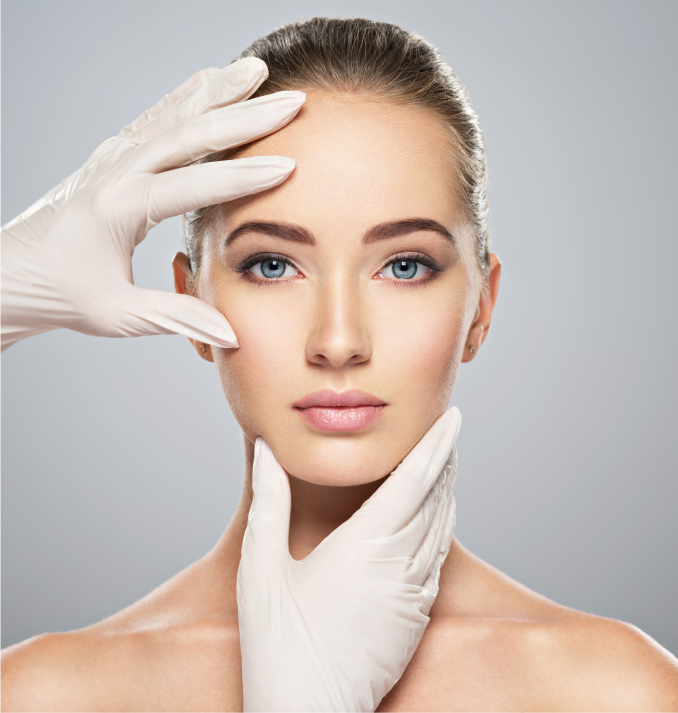
Not every brown lesion is treated with laser. First and foremost, an accurate diagnosis must be established.
In dermatology clinics, the evaluation process generally includes:
- Detailed medical history
- Assessment of sun exposure habits
- Dermoscopic examination
- Further diagnostic tests if necessary
Once solar lentigo is diagnosed, the treatment plan is determined based on the depth, number, location of the lesions, and the patient’s skin type.
How Do Laser Treatments Work?
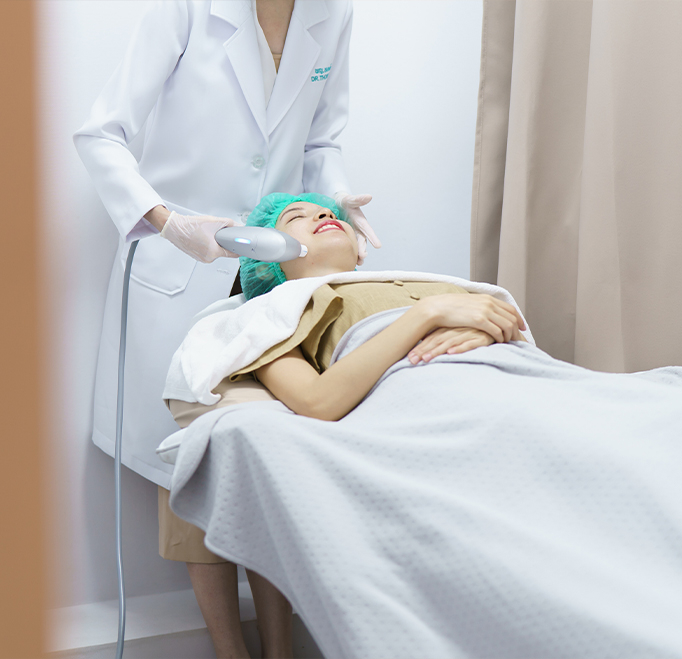
The fundamental principle of laser treatment is pigment targeting. Through a mechanism known as selective photothermolysis, laser energy is absorbed by melanin, creating controlled destruction within pigment cells while minimizing damage to surrounding tissues.
Different laser systems operate with different wavelengths and penetration depths. Therefore, not every laser is suitable for every lesion. Selecting the appropriate system is critical to treatment success.
Q-Switch Laser and Age Spots
Q-Switch laser systems are among the most commonly used methods for pigment targeting. They operate with high-energy, short-duration pulses and are particularly effective for well-defined, dark solar lentigines.
This system:
- Selectively targets pigment
- Focuses on protecting surrounding tissue
- May cause temporary darkening and crusting of the lesion after treatment
The recovery process is generally controlled and predictable. However, strict sun protection after the procedure is essential. Neglecting sunscreen use may trigger new pigment formation.
Thulium Laser and Superficial Pigmentation
Thulium laser is frequently preferred for more superficial pigmentation and widespread tone irregularities. By creating controlled microthermal effects on the skin surface, it aims to reduce pigmentation while also supporting overall skin quality.
It may be particularly beneficial in:
- Diffuse facial pigmentation
- Uneven skin tone
- Signs of photoaging
This laser type not only targets pigmentation but also improves overall skin texture. Therefore, it is often associated with the concept of “skin rejuvenation.”
Fractional Laser and Photoaging
Fractional laser systems create microthermal columns within the skin, initiating a controlled renewal process. In addition to pigmentation, they may be preferred for fine wrinkles and reduced skin elasticity associated with photoaging.
This approach:
- Stimulates collagen production
- Restructures skin texture
- Targets both pigmentation and overall skin quality
Solar lentigo is often not an isolated issue. If accompanied by elasticity loss and dull appearance, fractional laser systems may be part of combination treatment approaches.
Which Laser Is Suitable for Whom?
No single laser system is appropriate for all patients. The decision-making process considers:
- Skin type
- Depth of the lesion
- Pigment density
- Sun exposure habits
- Accompanying skin conditions
Therefore, laser treatment should be individually planned. Even two individuals of the same age living in the same city may require different approaches.
Post-Laser Process
After the procedure, the following may occur:
- Mild redness
- Temporary darkening
- Fine crusting
- These effects are controlled and typically resolve within a few days. The most important factor during the post-treatment period is sun protection.
Regular use of sunscreen not only supports treatment success but also reduces the risk of new pigment formation.
Why Is Sun Protection So Important?
Solar lentigo has the potential to recur. As long as UV exposure continues, new pigmented areas may develop. Therefore, treatment is not limited to laser application alone.
Sun protection should include:
- Use of sunscreen with at least SPF 30
- Avoiding direct sun exposure during peak hours
- Physical protection (hats, sunglasses)
Considering year-round UV exposure in large cities, protection strategies should be planned long-term.
Frequently Asked Questions
Can age spots be completely removed?
Laser treatments can significantly reduce pigment intensity. However, results vary depending on individual skin characteristics.
Is one session enough?
The treatment plan is determined based on the lesion structure and skin properties. In some cases, multiple sessions may be required.
Is the procedure painful?
A mild stinging sensation may occur during application. Most patients tolerate the procedure well.
Do the spots recur?
If sun protection is inadequate, new pigmentation may develop.
Will laser treatment leave scars?
With proper patient selection and correct application, the risk of permanent scarring is low. However, every procedure requires individual evaluation.
Solar lentigo is one of the most visible signs of chronic sun damage. With accurate diagnosis, appropriate laser selection, and disciplined sun protection, it can be effectively managed. Q-Switch, Thulium, and Fractional laser systems offer different advantages depending on pigment depth and skin type.
However, every treatment plan requires individualized assessment. A dermatological approach should address not only the lesions but the skin as a whole.